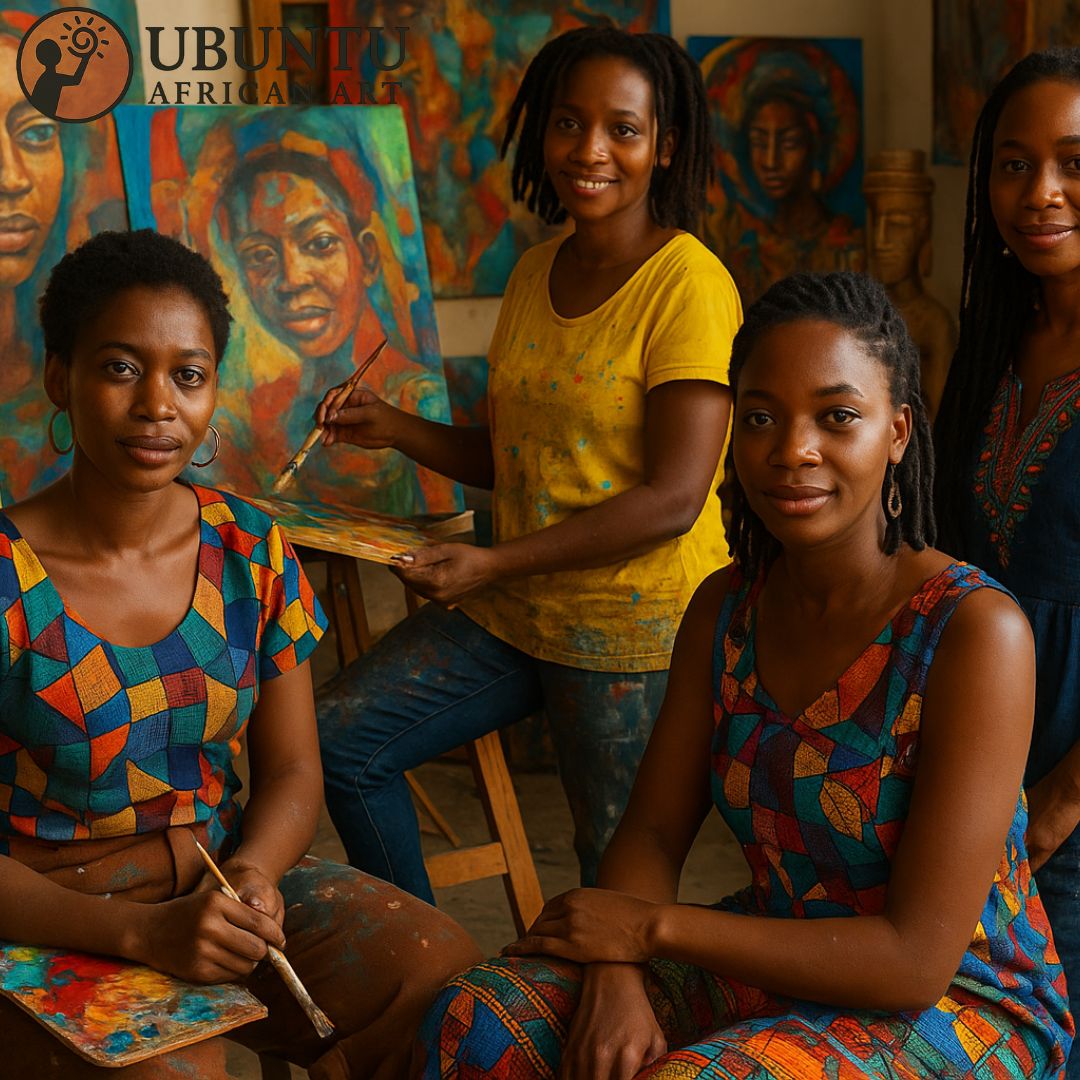
Women in African Art: Trailblazers, Visionaries, and Heroines
The Untold Stories of Women in African Art
Throughout history, African art has been a tapestry of rich narratives, powerful symbols, and creative expression. While much of the attention has focused on well-known male artists, the stories of African women artists—the true trailblazers, visionaries, and heroines—remain less celebrated. Yet, from ancient pottery to bold contemporary canvases, women have always played pivotal roles in shaping, preserving, and reimagining African art.
This article shines a spotlight on the pioneering women who have contributed immeasurably to African visual culture, exploring their artistry, resilience, and the unique perspectives they bring to both traditional and modern African art.
Women as Custodians of Tradition
In many African societies, women have long been the keepers of heritage—responsible for crafts that form the backbone of cultural identity. From weaving intricate textiles in West Africa, to pottery in Nigeria’s Nok culture, to beadwork among the Zulu and Maasai, their creative labor carries ancestral wisdom and community values.
- Textile Artists: Women in Ghana, Mali, and Ethiopia are renowned for creating kente, mudcloth, and other iconic fabrics, using age-old techniques passed down through generations.
- Potters and Ceramists: The tradition of female pottery can be traced to the ancient Nok civilization (c. 1500 BC) and is still alive in villages across Africa today.
- Beadworkers: Female artisans from South Africa to Kenya tell stories of lineage and status through vibrant beadwork, adorning bodies and ceremonial attire with layers of meaning.
Breaking Barriers: Women Artists in the Modern Era
The modern African art scene is increasingly being shaped by women who defy convention and challenge stereotypes. They are painters, photographers, sculptors, performance artists, and curators whose work sparks global conversations around gender, identity, and empowerment.
- Esther Mahlangu (South Africa): Renowned for her Ndebele murals and contemporary paintings, Mahlangu has exhibited globally and collaborated with brands like BMW and Belvedere.
- Njideka Akunyili Crosby (Nigeria): Her mixed-media portraits blend Nigerian and Western influences, exploring the complexities of migration and dual identity.
- Peju Alatise (Nigeria): A leading sculptor and installation artist, Alatise addresses issues of womanhood and social justice in powerful three-dimensional works.
- Wangechi Mutu (Kenya): Through surreal, collage-based art, Mutu interrogates the female form, postcolonial narratives, and environmental concerns.
Challenges and Triumphs: The Journey of African Women Artists
Despite their immense contributions, women artists have faced significant barriers—limited access to formal training, funding, and exhibition space; societal expectations; and the pervasive effects of colonialism and patriarchy. Many have had to fight for recognition in male-dominated spaces or create alternative platforms to showcase their art.
Yet, the tide is turning. In recent years, dedicated galleries, exhibitions, and online communities are amplifying women’s voices in African art. Social media has also given emerging artists direct access to a global audience.
- Organizations like Women in African Art and African Women in Arts offer mentorship, grants, and visibility.
- Feminist art collectives are challenging old narratives and celebrating stories often left untold.
- International art fairs and biennales increasingly feature women’s work front and center.
Celebrated Heroines and Rising Stars
While many legends have paved the way, the new generation of African women artists is equally inspiring. Their works draw on personal history, politics, and the global conversation on gender and culture.
- Mary Sibande (South Africa): Her striking sculptures and installations reimagine domestic workers as queens and superheroes, offering poignant commentary on post-apartheid society.
- Aïda Muluneh (Ethiopia): A trailblazing photographer, Muluneh explores African identity and women’s experiences through surreal, color-rich imagery.
- Laetitia Ky (Ivory Coast): Known for sculpting intricate designs from her own hair, Ky’s art is a celebration of African beauty, activism, and empowerment.
The Lasting Impact: Why Women in African Art Matter
Women artists are not just part of African art history—they are shapers of its future. By honoring their achievements, sharing their stories, and supporting their work, we ensure that African art remains vibrant, relevant, and truly representative of the continent’s diversity and strength.
As collectors, curators, and admirers, we have the power to champion women’s voices and expand the narrative of African art. Their stories are our collective legacy—and their creativity inspires us all.