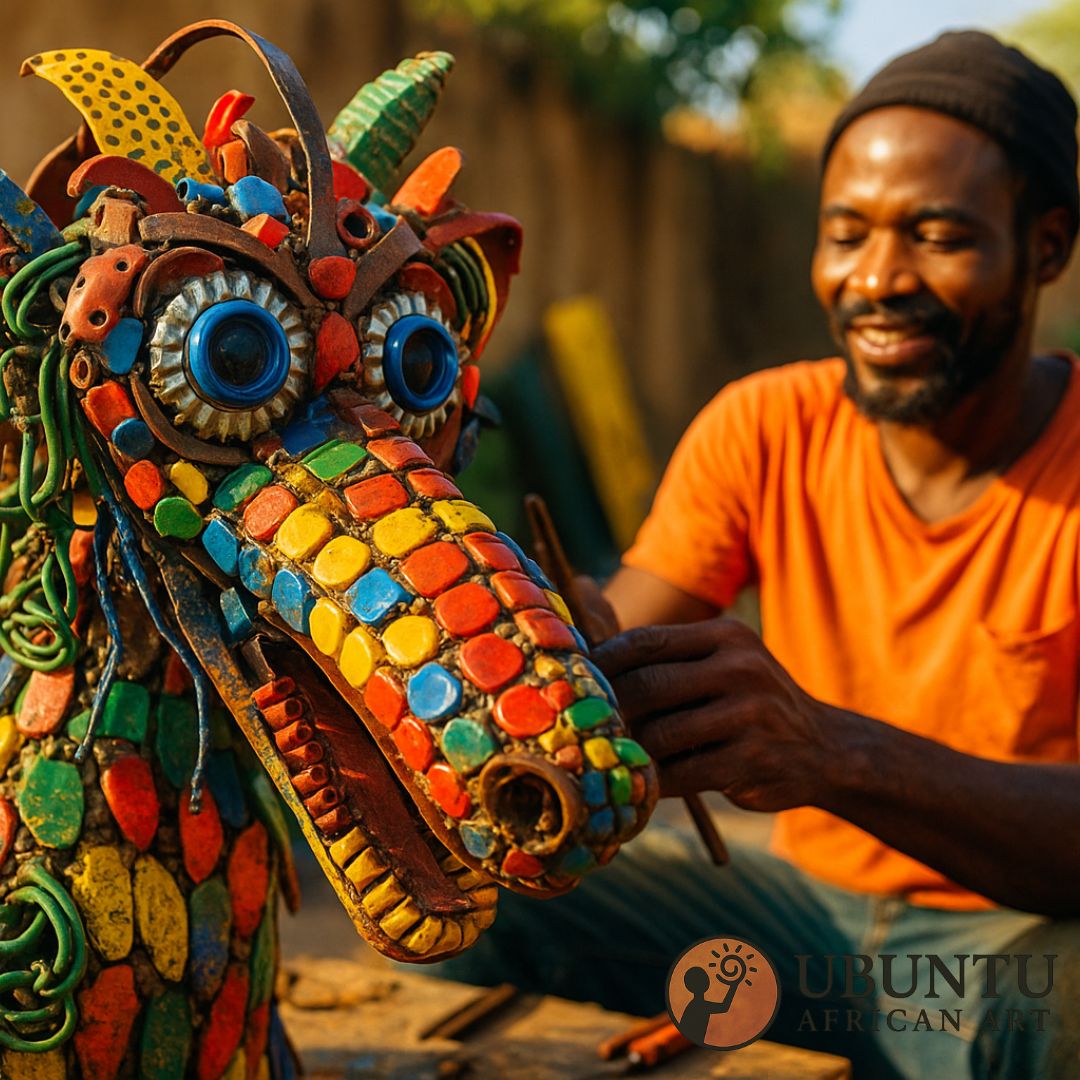
Eco-Art: African Artists Using Recycled Materials to Inspire Change
Introduction: From Waste to Wonder
Africa’s artistic traditions have always drawn inspiration from the land. Today, a new generation of eco-artists is breathing life into discarded objects—turning bottle caps, scrap metal, and plastic waste into vibrant sculptures and awe-inspiring installations. “Eco-art” is not just a creative trend; it’s a grassroots movement that blends sustainability, activism, and a deep reverence for culture and environment.
What Is Eco-Art?
Eco-art describes artworks created from recycled or repurposed materials, highlighting both the environmental impact and the power of artistic imagination. In Africa, eco-artists are at the forefront of the fight against pollution—showing communities that waste can be transformed into beauty, meaning, and social commentary.
Why Recycled Materials? The Message Behind the Medium
- Environmental Awareness: Reusing waste combats landfill overflow and plastic pollution, especially in urban areas.
- Resourcefulness: Many African artists have a long tradition of upcycling due to limited resources—turning necessity into innovation.
- Social Impact: Artworks made from “rubbish” challenge perceptions, spark dialogue, and empower local youth with new skills.
- Global Inspiration: Eco-art bridges local and global movements for sustainability, climate change action, and creative reuse.
Spotlight: Notable African Eco-Artists
Across the continent, artists are turning trash into treasure. In Nigeria, El Anatsui gained international fame for his monumental “cloth” sculptures made from bottle tops and metal scraps, evoking both tradition and transformation. South African collective R1 creates city-wide installations using road signs, plastics, and salvaged wood, transforming public spaces into immersive art galleries.
Zimbabwe’s Dominic Benhura and Ghana’s Serge Attukwei Clottey both use discarded plastics and scrap to address pollution and the impact of globalization. Their works not only beautify cities but invite viewers to reconsider their relationship with waste.
Eco-Art and Community Empowerment
Eco-art initiatives are more than just artistic statements—they’re powerful engines for change. Workshops teaching children to create art from found objects foster environmental awareness and creative problem-solving. Many eco-artists run community projects, teaching practical recycling skills, boosting local economies, and inspiring pride.
- Street murals made from plastic bottle caps
- School projects turning e-waste into functioning sculptures
- Marketplace art events promoting upcycled jewelry and home décor
Tips for Collectors: How to Support African Eco-Artists
- Buy directly from artists or trusted galleries focused on sustainable art
- Look for provenance and stories behind each piece—ask about the materials used
- Share eco-art on social media to raise awareness and inspire others
- Host workshops or talks to introduce eco-art to new audiences
Supporting eco-art isn’t just about acquiring art; it’s about being part of a movement that respects both planet and people.
The Future of Eco-Art in Africa
As climate change and pollution become urgent concerns, eco-art will only become more important. African artists are uniquely positioned to lead the global dialogue on sustainability and creativity, proving that art truly can change the world—one bottle cap at a time.
Conclusion: Join the Movement
Every piece of eco-art carries a message: with imagination and care, waste can become wonder. Whether you’re a collector, a supporter, or simply inspired by this movement, Ubuntu African Art invites you to celebrate the talent, vision, and environmental leadership of Africa’s eco-artists.
Browse our Eco-Art Collection or contact us to learn more about the artists, workshops, and stories behind these remarkable creations.