Weaving Community: The Social Fabric of African Textile Art
The Loom as a Heartbeat
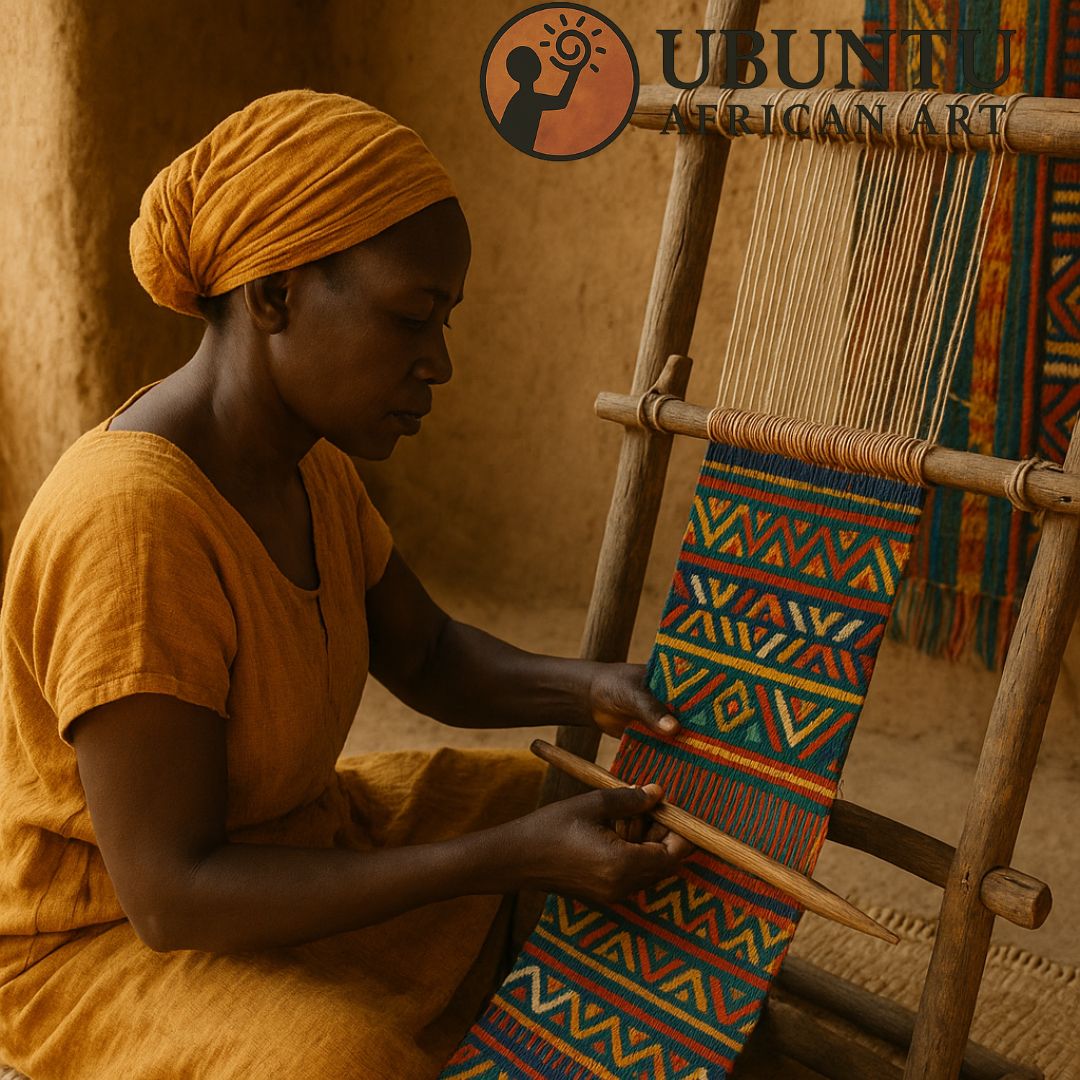
In Africa, the loom is more than a tool—it is the heartbeat of community. From the bustling villages of West Africa to the tranquil highlands of Ethiopia, weaving has been the lifeblood of societies for thousands of years. The rhythmic clatter of shuttles and the patient hands of artisans have produced more than cloth; they have created bonds of kinship, networks of support, and intricate systems of meaning. Each woven piece is a testament to the enduring spirit of Ubuntu—the belief that “I am because we are.”
Stories Woven in Thread
African textiles are not just utilitarian. They are living chronicles, carrying the stories of clans, leaders, heroes, and ancestors. Kente cloth from Ghana, with its vibrant bands of color, encodes proverbs and histories. In Mali, bogolanfini (“mud cloth”) records milestones, from birth to initiation, through symbolic patterns in black, white, and ochre. Ethiopia’s shemma tells of journeys, weddings, and spiritual life, each stripe and motif a chapter in a greater narrative.
Women: Guardians of the Loom
Across Africa, women are the primary weavers. Their expertise is not only technical but cultural: as they teach daughters and nieces, they transmit the wisdom and identity of generations. Gathering under shaded courtyards, women exchange stories, laughter, and support. In many villages, weaving cooperatives double as support networks, financing education, healthcare, and new opportunities for their members.
Unity in Diversity: Regional Weaving Traditions
- Kente (Ghana): Known for its bold colors and geometric patterns, each Kente design communicates a specific message or value.
- Bogolanfini (Mali): Mud-dyed cloth used for rites of passage, healing, and protection.
- Aso Oke (Nigeria): Prestigious hand-woven fabric, often worn at weddings and celebrations, featuring intricate stripes and metallic threads.
- Shemma (Ethiopia): Lightweight, handspun cotton, essential for spiritual ceremonies and daily wear alike.
Patterns of Identity and Belonging
Weaving is a language. Patterns signal ethnicity, status, marital stage, and community ties. The diamond shapes in Kuba raffia from Congo, the zigzag of Fulani blankets, and the checkerboard of Senufo textiles are instantly recognizable to those who share in their meaning. Wearing or gifting a particular cloth is a powerful statement of unity and belonging.
Economy, Empowerment, and the Modern Marketplace
In today’s Africa, textile art is more than tradition—it is a vehicle for empowerment. Artisan cooperatives provide stable income, education, and healthcare for entire families. As global demand grows for ethically produced, sustainable goods, African weavers find new opportunities to share their culture with the world while maintaining control over their creative legacy.
Ubuntu in Action: The Fabric of Togetherness
The philosophy of Ubuntu—that our humanity is bound together—is woven into every textile. Communal dye pits, shared looms, and festival processions remind us that art flourishes where there is trust and togetherness. At Ubuntu African Art, we are proud to support weaving communities by connecting collectors, storytellers, and artisans across the globe.
How to Recognize Authentic African Textiles
- Handwoven Texture: Genuine pieces reveal subtle variations and the “human touch.”
- Natural Materials: Cotton, raffia, wool, and natural dyes—no synthetic shortcuts.
- Symbolic Motifs: Look for storytelling in every pattern, from clan symbols to proverbs.
- Ethical Sourcing: Support textiles with transparent provenance, directly benefiting artisans and their families.
Join the Legacy: Collect and Support
Every woven piece is more than art—it is a connection. When you choose authentic African textiles, you join a circle of makers and appreciators, united across continents and generations. Browse our Weaving Community Collection or contact us for guidance on history, care, or custom sourcing.