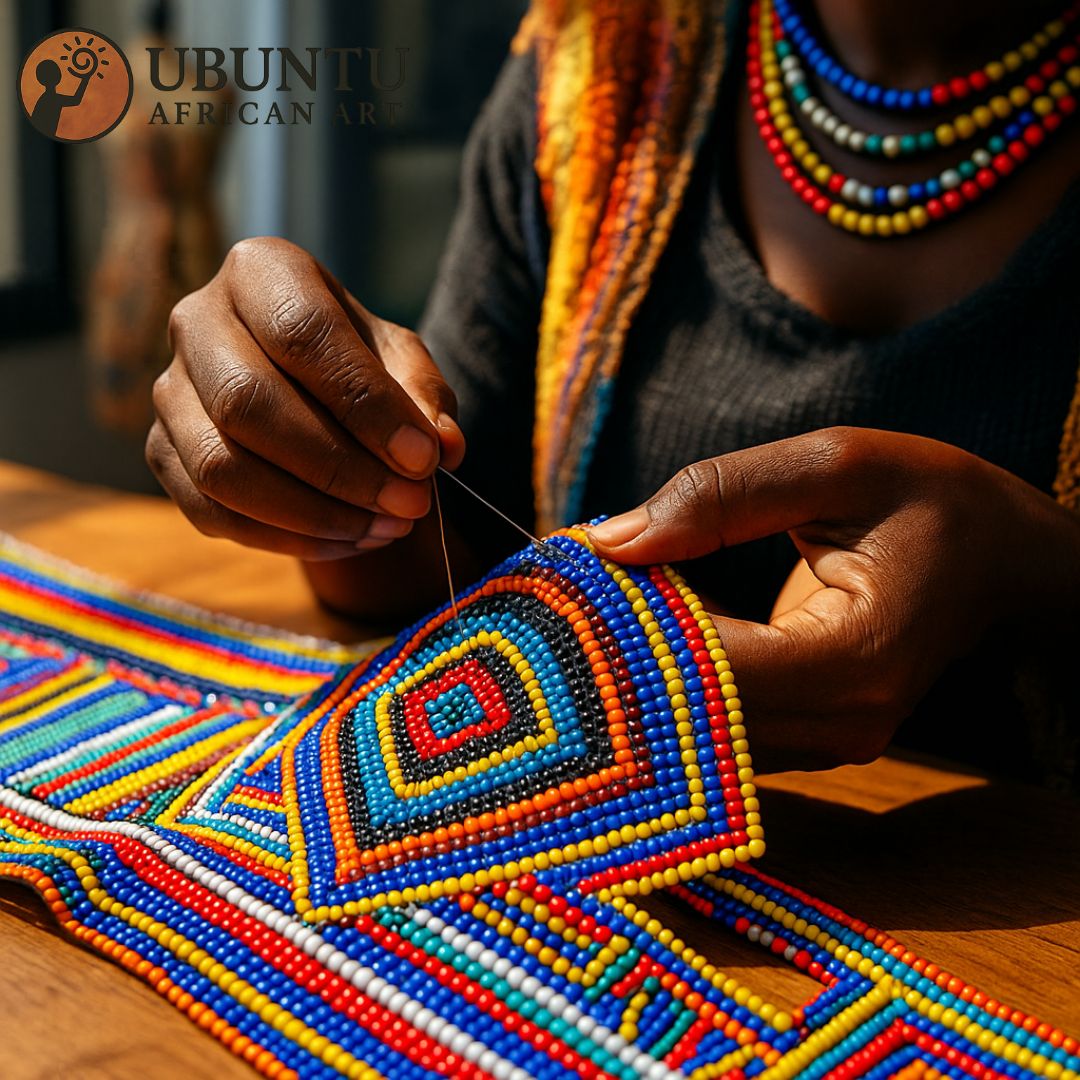
The Journey of Beadwork: From Tribal Tradition to Contemporary Fashion
Beadwork: Africa’s Dazzling Thread Through Time
Beadwork is one of Africa’s most enduring and beloved art forms, woven through the fabric of countless cultures and communities. From ancient ceremonial necklaces to runway-ready jewelry, African beadwork continues to inspire, unite, and tell powerful stories. In this blog, we uncover the roots of beadwork in tribal societies, its transformation across generations, and how it’s found fresh expression in today’s global fashion landscape.
Origins and Tribal Significance
The history of African beadwork stretches back thousands of years, with archaeological finds dating as far back as the Stone Age. Early beads were crafted from bones, shells, stones, and clay, long before the arrival of glass beads through trade with Europe, Asia, and the Middle East. Each region developed its own styles, techniques, and symbolic meanings:
- Zulu: Intricate beadwork is central to Zulu identity. Patterns and colors communicate age, gender, marital status, and even courtship messages.
- Maasai: In Kenya and Tanzania, Maasai women create elaborate collars, bracelets, and adornments as symbols of beauty, status, and rites of passage.
- Ndebele: South Africa’s Ndebele are famous for their geometric beaded aprons and necklaces, worn during ceremonies and important life transitions.
- Ghana and Nigeria: Krobo, Yoruba, and Igbo artisans use locally-made glass and clay beads for both spiritual and decorative purposes.
For many, beadwork was not merely decorative—it was a language, carrying ancestral knowledge and social codes across generations.
Techniques, Materials, and Symbolism
The artistry behind African beadwork lies in its intricate techniques and deep symbolism. Traditional artisans use off-loom weaving, stringing, embroidery, and loom work. Beads are sourced from natural materials or recycled glass and plastic, depending on region and era.
- Colors: Each color holds meaning. For example, white might symbolize purity, blue for fidelity, red for bravery, and yellow for wealth or fertility.
- Shapes and Motifs: Triangles, chevrons, and animal forms often tell stories or offer spiritual protection.
- Patterns: Patterns may signal clan affiliation, social status, or personal milestones.
The result is a living tapestry, with each bead, knot, and color forming a thread in a much larger narrative.
Transformation: From Tradition to Fashion Runways
African beadwork made its way from rural homesteads to global fashion houses over the past century. The introduction of glass seed beads by European traders in the 19th century sparked new possibilities for color and complexity. In the 20th and 21st centuries, designers like Laduma Ngxokolo (MAXHOSA AFRICA), Sidai Designs, and Adele Dejak have brought beadwork into contemporary jewelry, accessories, and even haute couture.
This evolution is not just aesthetic—it’s deeply social. Today, beadwork is worn as a statement of identity, a celebration of heritage, or a symbol of empowerment for women’s cooperatives across Africa. It also raises important questions about fair trade, cultural appropriation, and the need for authentic storytelling in fashion.
Modern Meanings: Beadwork in Social Change
Across Africa, beadwork initiatives empower communities by providing women and marginalized groups with sustainable livelihoods. Projects in South Africa, Kenya, Ghana, and Nigeria often reinvest in health, education, and cultural preservation.
- Fair trade bead collectives support artisans and protect traditional skills from mass production.
- NGOs and artist-led groups use beadwork to address issues like HIV/AIDS awareness, environmental protection, and women’s rights.
- International collaborations connect bead artists with galleries, museums, and conscious consumers worldwide.
The spirit of ubuntu—“I am because we are”—shines through in every bead, fostering both community and global connection.
Collecting African Beadwork: What to Know
- Look for provenance: Know the tribe, artist, and story behind each piece.
- Buy from reputable dealers, galleries, or directly from artisans whenever possible.
- Understand the difference between mass-produced souvenirs and authentic, handmade works.
- Display with care—keep beadwork out of direct sunlight and away from moisture.
- Be an advocate: Share the stories behind your collection and support ethical sourcing.
Ubuntu African Art: Celebrating Beadwork’s Legacy
At Ubuntu African Art, we honor beadwork’s journey from ancient tradition to contemporary innovation. Each item in our collection is sourced with care, supporting fair wages and community growth. Whether you’re a collector, designer, or simply an admirer of African craft, the story of beadwork invites you to join a living legacy—one bead at a time.
Explore our beadwork collection and let the rich colors, patterns, and textures of Africa inspire your own journey.