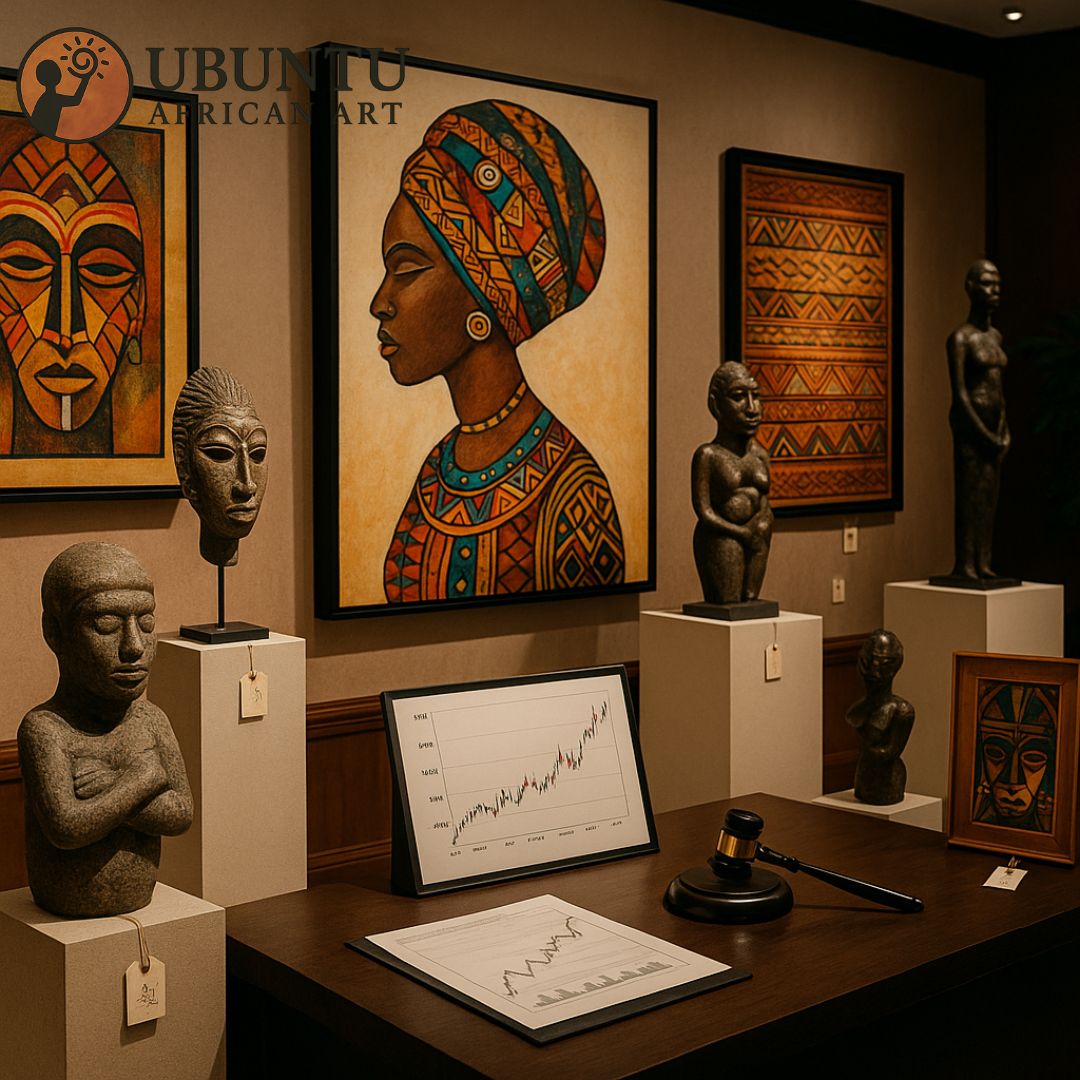
Investing in African Art: Market Trends and Tips
Why African Art Is Attracting Investors Worldwide
In recent years, African art has surged onto the global stage, drawing the attention of collectors, investors, and museums alike. With vibrant creativity and profound cultural heritage, contemporary and traditional African artworks now feature in top auctions and prestigious galleries. What’s behind this boom, and why are more people considering African art not just as décor but as a smart investment?
African art’s diversity—ranging from stone sculptures and intricate beadwork to expressive paintings and powerful masks—means there’s something for every taste and budget. But more than that, the art market has recognized the unique value, authenticity, and storytelling power that African artists offer. As a result, prices for rare and exceptional pieces have steadily risen, with record-breaking sales making headlines.
Market Trends: What’s Hot in African Art?
- Contemporary Artists in Demand: Works by living artists such as El Anatsui, Ben Enwonwu, and Esther Mahlangu are setting new benchmarks at international auctions.
- Classic Tribal Artifacts: Masks, textiles, and wood carvings from West and Central Africa remain perennial favorites for museums and seasoned collectors.
- Emergence of New Mediums: Mixed-media, photography, and digital art are finding eager buyers, reflecting both tradition and innovation.
- Pan-African & Diaspora Influence: Art that explores identity, migration, and the global African experience resonates with a wide audience.
Tip: Stay updated on leading art fairs (like 1-54 Contemporary African Art Fair, FNB Art Joburg, and Dakar Biennale), as they often spotlight new stars and future blue-chip artists.
What Makes African Art a Good Investment?
- Rising Global Demand: As more galleries, collectors, and museums invest in African art, competition increases—and so do prices.
- Limited Supply of Rare Works: Many older pieces are already in museums or private hands, making available masterpieces even more sought after.
- Emotional and Cultural Value: Unlike stocks or shares, African art carries a story and cultural legacy that enhances its desirability over time.
- Diversification: Art is increasingly recognized as an alternative asset class, helping diversify traditional investment portfolios.
Key Tips for New and Seasoned Investors
- Research Before You Buy: Learn about the artist, their background, and the cultural significance of each piece. Provenance matters!
- Buy What You Love: Trends change, but the emotional connection to art makes it a rewarding long-term investment.
- Consider Authenticity and Certification: Request certificates of authenticity and check for clear provenance to ensure you’re purchasing legitimate work.
- Start with Trusted Dealers: Work with reputable galleries and platforms like Ubuntu African Art to guarantee ethical sourcing and genuine artifacts.
- Pay Attention to Condition: Like all collectibles, the value of art depends on how well it is preserved. Avoid damaged or poorly restored pieces unless you’re prepared for restoration costs.
- Understand the Market: Track auction results, gallery shows, and emerging artists. Engage with the art community through fairs and events.
Stories of Success: African Art at Auction
Recent years have seen African artists achieve staggering results. In 2018, Ben Enwonwu’s “Tutu” sold for over $1.6 million, capturing headlines and inspiring new interest in Nigerian modernists. Ghanaian sculptor El Anatsui’s works have fetched six-figure sums at Sotheby’s and Christie’s. Even lesser-known contemporary artists are seeing rapid increases in value as collectors look beyond Europe and North America for the next big names.
While not every piece will achieve record prices, these stories underline the investment potential when buyers are well-informed and passionate.
Supporting Artists, Building Legacies
Investing in African art is about more than profit. It’s a way to support living artists and help preserve rich traditions and stories for future generations. Many artists reinvest in their communities, and a portion of proceeds often goes towards training, education, and cultural preservation. By purchasing original African art, investors help keep the continent’s creative heritage alive and thriving.
Where to Start Your African Art Investment Journey
- Browse reputable online galleries like Ubuntu African Art
- Visit local and international art fairs focused on Africa
- Consult with experienced collectors and curators
- Invest in learning—read books, listen to podcasts, and follow market trends
Whether you’re drawn by cultural connection, aesthetic appreciation, or long-term value, African art offers a dynamic and rewarding avenue for collectors and investors alike. The market is growing—there’s never been a better time to start.