The Influence of African Diaspora on Contemporary Art
Introduction: Art Without Borders
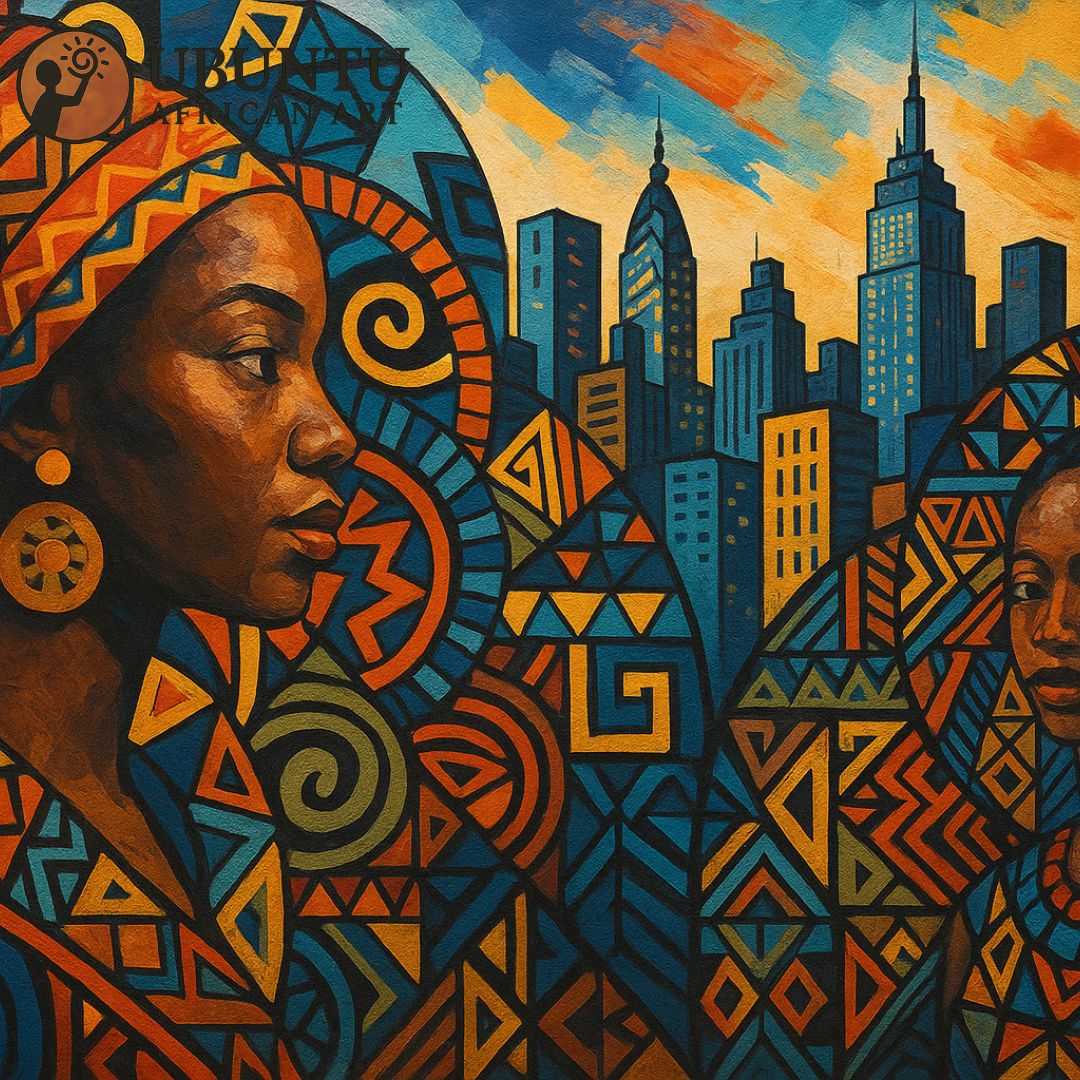
The story of African art is no longer bound by the borders of a single continent. Thanks to the global movement of people, culture, and ideas, the influence of the African diaspora has become a defining force in contemporary art. Today, you’ll find echoes of African heritage in street murals in New York, galleries in London, and installations in Tokyo. This vibrant fusion not only celebrates African identity—it shapes the visual language of our times.
What Is the African Diaspora?
The term African diaspora refers to communities descended from the historic movement of peoples from Africa, particularly through the transatlantic slave trade and later waves of migration. The diaspora includes millions of people across the Americas, Europe, the Caribbean, and beyond. Their stories, struggles, and triumphs are reflected in a rich cultural legacy, woven into music, literature, and—most visibly—art.
Legacy and Fusion: How Heritage Becomes Innovation
African diaspora artists draw deeply from ancestral traditions—beadwork, sculpture, textiles, and symbolism—but they also reinterpret these elements in bold, new ways. Patterns once etched on calabash or woven into kente cloth are now motifs in digital art, fashion, and architecture. The result? A visual dialogue that is both local and global, ancient and futuristic.
- Motifs & Patterns: Geometric and organic African patterns are incorporated into modern paintings, clothing, and design.
- Storytelling: Themes of migration, homecoming, and resilience are depicted through mixed media, photography, and performance art.
- Symbolism: Masks, cowrie shells, and other traditional objects are reimagined in contemporary sculpture and installations.
Voices of the Diaspora: Artists Shaping the Conversation
Some of the most celebrated contemporary artists come from the African diaspora. Names like Kehinde Wiley (USA/Nigeria), Yinka Shonibare (UK/Nigeria), Mickalene Thomas (USA), and El Anatsui (Ghana/Nigeria) have captivated global audiences. Their works celebrate Black identity, interrogate history, and reclaim the narrative of African people worldwide.
- Kehinde Wiley: Known for regal portraits that place Black subjects in classical poses, challenging traditional art history.
- Yinka Shonibare: Explores colonialism and hybridity through sculpture, photography, and Dutch wax fabrics.
- El Anatsui: Creates monumental installations from recycled materials, blending Ghanaian traditions with global themes.
Key Influences: African Diaspora and Global Movements
The impact of the African diaspora reaches far beyond individual artists. Major contemporary art movements—such as Afrofuturism, Black Arts Movement, and Pan-Africanism—draw heavily on African aesthetics and philosophies. African diaspora art also shapes social justice, activism, and popular culture, creating a powerful visual language for change.
- Afrofuturism: Imagines futures where Black identity and African culture are celebrated through science fiction and fantasy.
- Public Art: Murals, graffiti, and performance art bring diaspora stories to public spaces, often tackling issues of race, memory, and belonging.
- Music & Fashion: Diaspora art inspires everything from hip-hop album covers to haute couture runway shows, blending tradition with innovation.
Collectors’ Guide: How to Appreciate and Support Diaspora Art
- Research artists’ backgrounds and their connection to African traditions
- Look for galleries, fairs, and online platforms that promote diaspora artists
- Understand the symbolism—each piece is a window into a larger story
- Engage with the community: Attend artist talks, read interviews, and share on social media
Collecting diaspora art is more than an investment—it’s an act of solidarity and cultural appreciation. Whether you are drawn to a vibrant mural, a wearable piece, or a bold sculpture, you are connecting with centuries of heritage and innovation.
The Future: African Diaspora Art in the Digital Age
Today’s artists use technology to expand their reach and impact. Instagram, virtual galleries, and NFT platforms allow diaspora artists to connect with audiences across continents. This digital revolution ensures that the global story of African heritage continues to evolve, inspiring new generations.
As you explore the world of African art, look for these connections—the echoes of the past, the vibrance of the present, and the promise of the future. The influence of the African diaspora is everywhere, and its story is still being written.