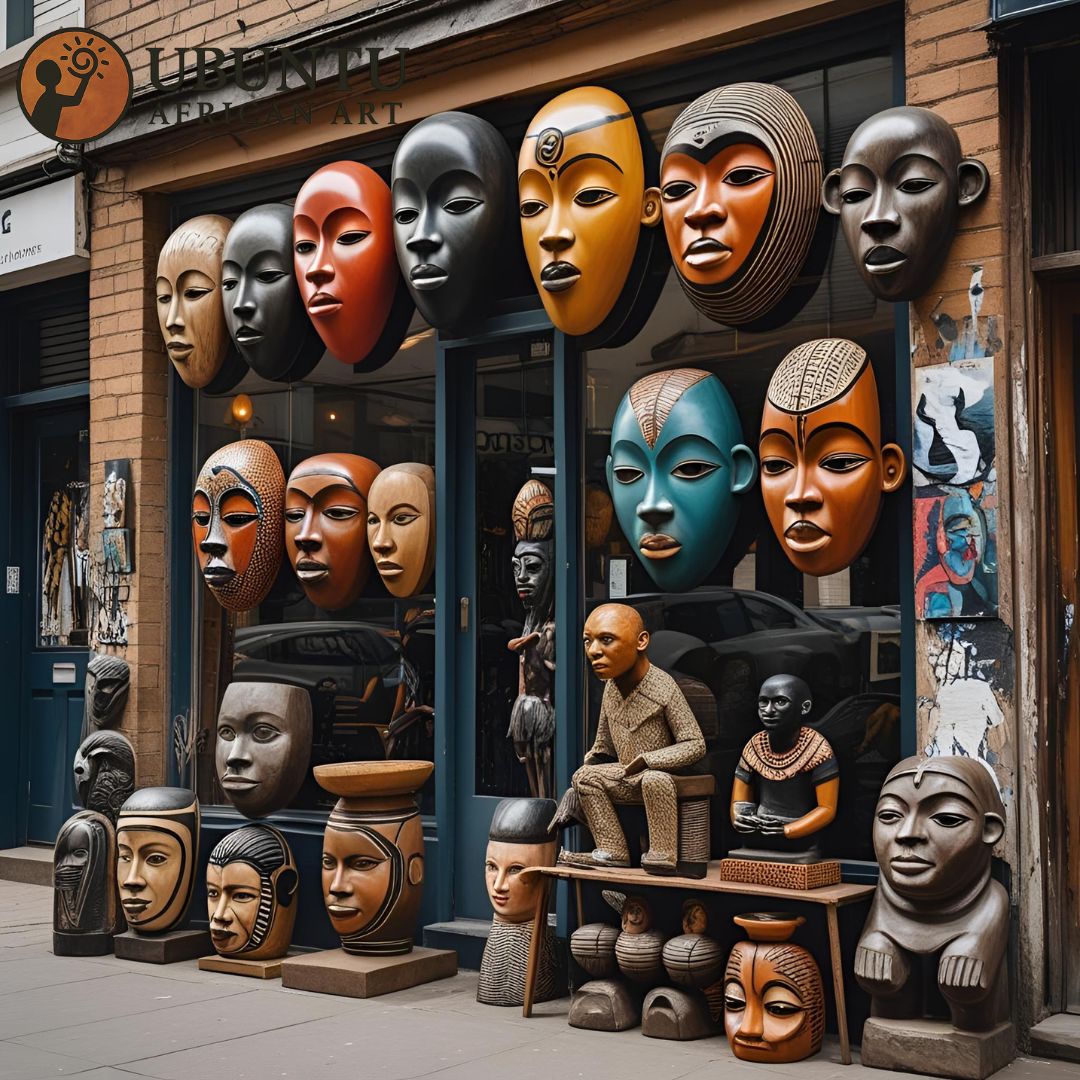
Hidden Gems: Rare African Artifacts and Where to Find Them
Unveiling Africa’s Secret Treasures
Africa is a continent of deep-rooted traditions, artistic genius, and remarkable diversity. But beyond the famous masks, sculptures, and beadwork that fill galleries and museums, there exists a world of rare African artifacts—hidden gems that few collectors ever encounter. Whether you’re a seasoned art enthusiast or a new collector, finding these treasures requires passion, knowledge, and a willingness to explore beyond the beaten path.
What Makes an African Artifact a Hidden Gem?
The term “hidden gem” in African art refers to pieces that are not widely known, often unique, and sometimes undiscovered by the mainstream art world. These may be ritual objects from remote regions, one-of-a-kind ceremonial items, or lost works from forgotten tribes. What sets them apart is their rarity, exceptional craftsmanship, and the powerful stories they carry.
- Obscure Provenance: Items with an unusual backstory or from less-documented cultures.
- Unique Design: One-off creations, prototypes, or objects made for a specific ceremony.
- Historic Significance: Artifacts connected to a major event, legendary figure, or pivotal moment in African history.
- Exceptional Condition: Well-preserved examples of ancient or fragile art forms.
Rare African Artifacts to Look For
- Kota Reliquary Figures (Gabon): Known for their stylized forms and copper-plated surfaces, these guardian figures are both spiritual and artistic masterpieces.
- Djenne Terracotta (Mali): Ancient clay statues, often centuries old, that capture the elegance and sophistication of Mali’s medieval empires.
- Kuba Royal Masks (DRC): Handcrafted for royal courts, these masks feature intricate beadwork and symbolic patterns representing power and heritage.
- Yoruba Divination Bowls (Nigeria): Used in sacred rituals, these bowls are rare both for their spiritual function and the exceptional skill needed to create them.
- Benin Bronze Plaques (Nigeria): Iconic but increasingly hard to source, genuine Benin bronzes are considered “holy grail” items by collectors.
- Luba Memory Boards (DRC): Carved wooden tablets that encode genealogical and historical knowledge, valued for their intellectual as well as artistic significance.
Where to Find Hidden Gems of African Art
Sourcing rare African artifacts requires a blend of research, networking, and a little bit of luck. Here are the most promising avenues for finding these extraordinary pieces:
- Local Markets: Rural markets in Africa sometimes yield unique artifacts—especially when you work with trusted local guides.
- Private Collections: Many rare items remain in family hands and only appear during estate sales or auctions.
- Reputable Galleries: Specialized galleries and dealers with deep networks across Africa are often the first to access rare finds.
- Online Auctions: Platforms like Sotheby’s and Bonhams increasingly feature African art, though due diligence is essential for authenticity.
- Field Expeditions: For the truly dedicated, traveling with anthropologists or art historians to remote villages can lead to one-of-a-kind discoveries.
How to Identify Authentic Rare Artifacts
- Provenance Documentation: Always seek evidence of origin, history, and prior ownership.
- Material Analysis: Genuine rare pieces often use traditional materials and show appropriate signs of age.
- Expert Consultation: Work with specialists or appraisers familiar with the region and period.
- Cultural Permission: Ensure ethical collecting by confirming that objects were sourced and exported legally and respectfully.
Authenticity is everything in rare artifact collecting. Don’t be afraid to ask hard questions, request paperwork, and do your own research before investing in a hidden gem.
Stories from the Field: Unforgettable Discoveries
Some of the world’s most astonishing African art pieces have surfaced in unexpected places—a Chokwe mask traded for a goat in Angola, a Senufo oracle figure discovered in a grandmother’s attic in Côte d’Ivoire, or an Ashanti goldweight tucked away in a village market in Ghana. These stories fuel the adventure of collecting and keep the spirit of discovery alive.
At Ubuntu African Art, we work directly with collectors, anthropologists, and local communities to bring you extraordinary pieces and document their stories for future generations. Each hidden gem is more than an object—it’s a living legacy.
Tips for Aspiring Collectors
- Start by learning about the cultures and art forms you find most fascinating.
- Join collector forums, attend art fairs, and subscribe to specialist newsletters.
- Be patient—building a collection of rare African artifacts takes time, trust, and an open mind.
- Focus on quality and meaning, not just value.
- Keep detailed records of every piece you acquire, including photos and documentation.
Preserving and Sharing the Legacy
The beauty of rare African artifacts is not only in their age or craftsmanship but in their ability to connect past and present, local and global, spiritual and aesthetic. By seeking out hidden gems and sharing their stories, collectors become stewards of Africa’s cultural heritage.
Ready to start your own quest for rare African treasures? Explore our curated collection of hidden gems or reach out for advice on finding and authenticating rare artifacts for your own collection.