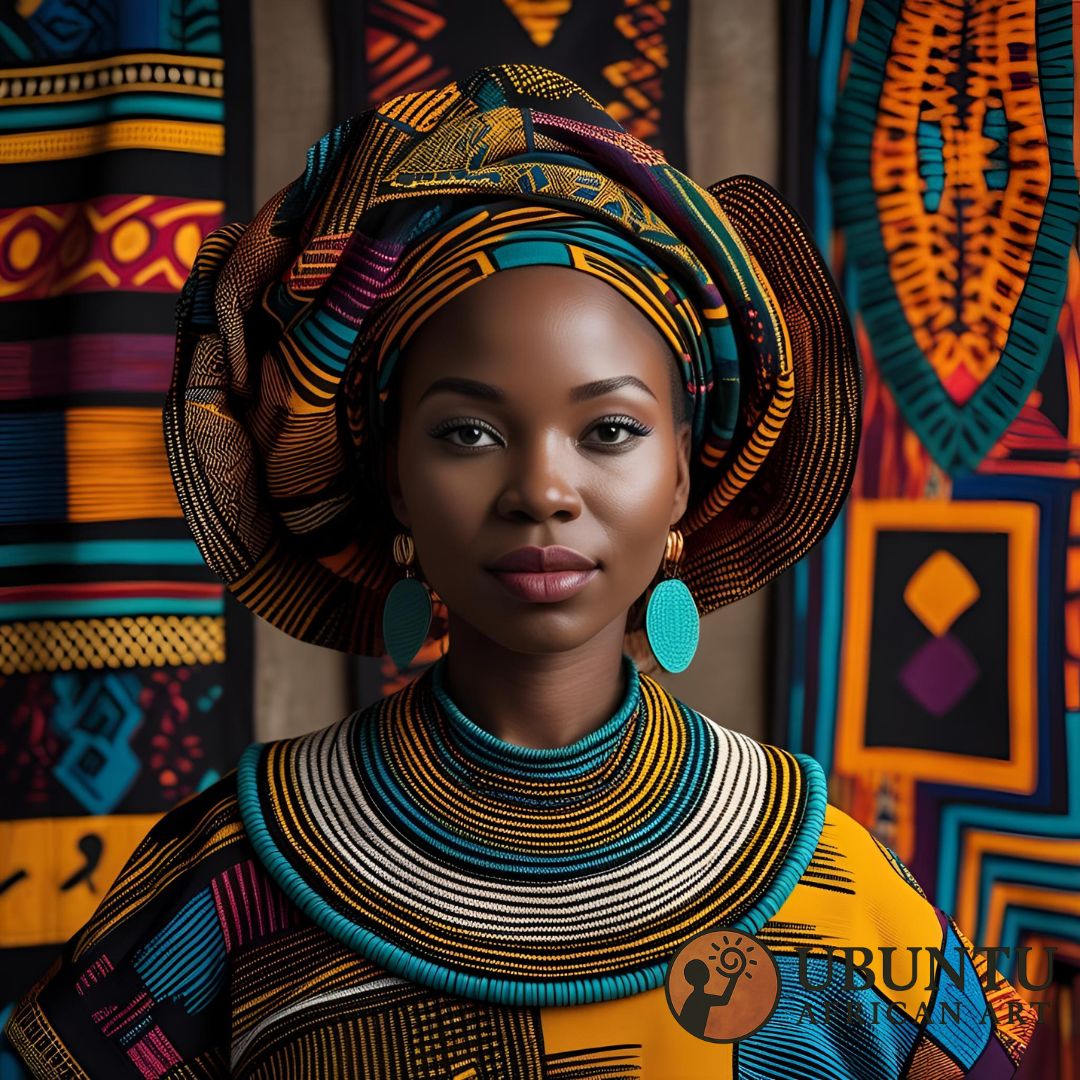
African Textile Art: History, Symbolism & Collector’s Guide
Introduction: The Threads of Africa
African textile art is much more than fabric—it is a living record of culture, identity, history, and artistry. From the gold-stitched kente of Ghana to the earthy bogolanfini (mudcloth) of Mali, textiles have long told the stories of Africa’s peoples and kingdoms. In recent decades, collectors and designers worldwide have come to treasure these vibrant cloths for their beauty, symbolism, and cultural importance.
This guide uncovers the origins and meaning of African textile art, from ancient looms to contemporary studios. Whether you are a new collector, a decorator, or simply an art lover, here’s everything you need to know about acquiring, caring for, and appreciating authentic African fabrics.
The Origins of African Textile Traditions
African textile art traces back thousands of years, to ancient Nubian, Egyptian, and West African societies. Early evidence of weaving has been found along the Nile Valley, where linen was woven for pharaohs and commoners alike. Over time, unique regional styles and techniques blossomed:
- Kente (Ghana): Born among the Ashanti and Ewe, kente is woven from silk and cotton, with each bold pattern symbolizing proverbs, historic events, or royal lineage.
- Mudcloth (Mali): Known locally as bogolanfini, this cotton cloth is dyed with fermented mud and plant extracts, telling stories of birth, initiation, and status.
- Kuba Cloth (DRC): Woven from raffia palm leaves and hand-embroidered by the Kuba people, these geometric masterpieces are used for ceremonies, dowries, and royal regalia.
- Adire (Nigeria): Yoruba women developed these indigo-dyed resist fabrics with intricate patterns, symbolizing both individuality and community.
These techniques continue to evolve, inspiring artists and textile designers across Africa and the globe.
Symbolism Woven into Every Thread
African textiles speak a language of symbols and color. Each region and culture has its own visual vocabulary, often encoding social status, beliefs, or spiritual meaning:
- Colors: Red can symbolize sacrificial power or political struggle, gold represents wealth and divinity, while blue or indigo invokes peace, love, and the spirit.
- Motifs & Patterns: Kente’s patterns, for example, might signify wisdom, learning, or unity; mudcloth designs could protect the wearer from harm or tell a woman’s life story.
- Occasions: Special textiles are made for rites of passage, marriages, funerals, or royal courts, transforming cloth into a living part of community memory.
Understanding the symbolism behind a textile can deepen your connection to the piece and the people who created it.
Collecting African Textiles: What to Look For
African textiles are increasingly in demand among collectors, interior designers, and museums. Here’s how to choose authentic, valuable pieces:
- Provenance: Ask about the origin—who made it, where, and when? Genuine pieces come with stories or documentation.
- Materials: Authentic cloths are usually made of natural fibers (cotton, silk, raffia, wool) and colored with plant or mineral dyes.
- Technique: Handwoven, hand-dyed, and hand-embroidered details are a sign of quality and artistry.
- Condition: Antique textiles may show gentle wear, but avoid tears or severe damage unless they add to the piece’s character.
Don’t be afraid to ask for background information or certificates from reputable galleries and traders.
Iconic African Textiles: A Closer Look
- Kente: Instantly recognizable for its vibrant stripes and checkerboards, kente is a symbol of pride in Ghanaian culture and has been worn by leaders and activists worldwide.
- Kuba: The tactile patterns of kuba cloth are achieved through complex weaving and embroidery—every piece is unique, and older specimens are highly collectible.
- Mudcloth: Each bogolanfini design carries unique symbols, with modern designers now using mudcloth in fashion and interiors.
- Adire: A revival of interest has made adire a centerpiece in global fashion, from Paris runways to Brooklyn boutiques.
How to Display and Care for African Textiles
- Display: Hang textiles on rods or frames, use as wall art, or drape over furniture to showcase their beauty and preserve their condition.
- Storage: Store in a cool, dry place, away from direct sunlight. Acid-free tissue and boxes prevent fading and deterioration.
- Cleaning: Most should be dry-cleaned or carefully hand-washed. Avoid harsh detergents or frequent washing.
With proper care, African textiles can last for generations, retaining their color and character.
Spotting Fakes: Protecting Your Investment
As the popularity of African textiles rises, so does the risk of imitation or mass-produced items. Protect your investment:
- Buy from trusted galleries, artists, or certified dealers
- Research the techniques—true handwoven textiles are rarely perfectly uniform
- Be wary of cheap prices for “vintage” or “authentic” pieces without provenance
Modern Designers and African Textiles
Today, African textile traditions inspire fashion houses, interior decorators, and contemporary artists around the world. Designers like Duro Olowu, Lisa Folawiyo, and Oumou Sy have brought kente, adire, and mudcloth to international runways. Global demand continues to grow, but the most meaningful textiles remain those created in the communities where the traditions began.
Building Your Collection with Ubuntu African Art
At Ubuntu African Art, we pride ourselves on sourcing authentic, ethically made textiles direct from African artisans and cooperatives. Whether you’re starting a collection or looking for a statement piece, our team offers provenance details and care advice for every item. Explore our African Textiles Collection to discover the artistry and heritage that only true African cloth can offer.