African Art and Social Change: Voices That Matter
Art as a Force for Social Change in Africa
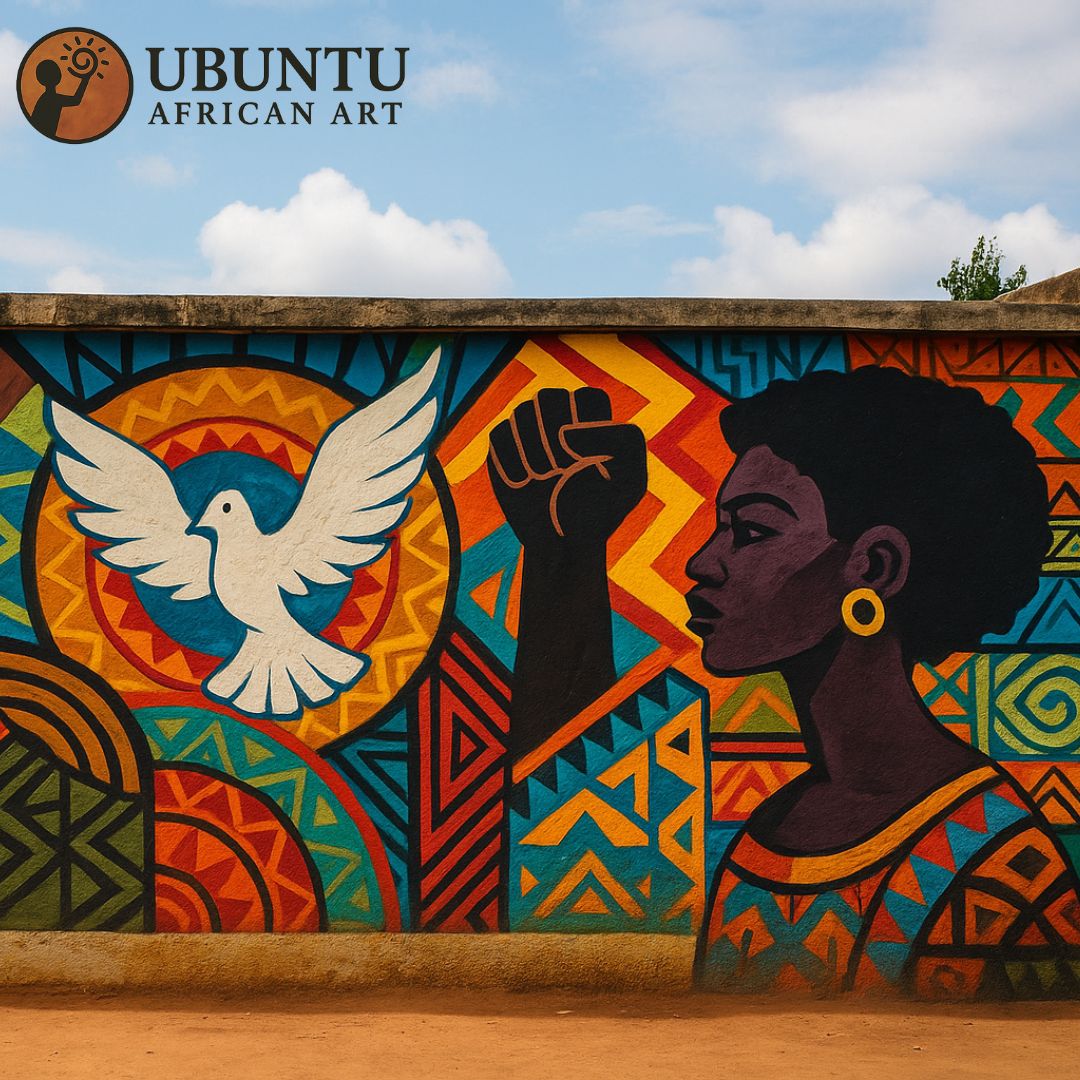
African art is not just a matter of beauty or tradition—it is a powerful catalyst for social change. Throughout history, African artists have used their creativity and vision to challenge the status quo, inspire movements, and give a voice to those who are often unheard. From murals on township walls to contemporary installations in global galleries, art in Africa has become a language for activism, storytelling, and collective healing.
In a continent marked by dramatic social, political, and economic shifts, the arts have consistently provided a mirror for society. Art helps us process trauma, celebrate resilience, and demand justice. Today, as global audiences look to Africa for cultural inspiration, it’s crucial to understand the deep role of artists as social commentators and change-makers.
The Historical Roots of Artistic Activism
The tradition of art as social commentary is ancient in Africa. Rock paintings, ancestral masks, and textiles have always carried meaning—marking milestones, challenging authority, or symbolizing unity. During the colonial era, art became a subtle tool of resistance: artists like Ernest Mancoba, Ben Enwonwu, and Dumile Feni encoded messages of protest and hope in their work.
During the struggle against apartheid in South Africa, visual art, poetry, and music united communities and fueled the spirit of resistance. Posters, graffiti, and street art broadcasted the hopes and pain of the people. The arts not only chronicled history—they shaped it.
Modern Voices: Art as a Platform for Justice
Today’s generation of African artists continues to use their craft to address social issues, from gender equality to environmental justice. Artists like Zanele Muholi (South Africa), Ibrahim Mahama (Ghana), Mary Sibande (South Africa), and Victor Ehikhamenor (Nigeria) have become global voices for marginalised communities. Their works spark difficult conversations about race, class, gender, and identity—on both local and international stages.
Digital media has amplified these voices, allowing artists to connect across borders and build communities of solidarity. Instagram, online exhibitions, and virtual galleries make it easier than ever for African creatives to mobilize, educate, and engage. Campaigns such as #BringBackOurGirls and #BlackLivesMatter have found expression through mural art and digital collages that resonate from Lagos to New York.
Art Movements Shaping Africa’s Future
- Afrofuturism: Blending African heritage with visions of the future, Afrofuturist artists create bold works that reimagine what Africa can be, challenging stereotypes and empowering new narratives.
- Environmental Art: Artists use recycled materials, land art, and sculpture to highlight climate challenges and advocate for sustainable living.
- Public Art: Murals and street installations transform cityscapes and encourage civic engagement, making art accessible to everyone.
- Performance Art: Spoken word, theatre, and dance bring critical issues to life, from HIV awareness to gender-based violence.
Women and Youth: Leading the Charge for Social Impact
Women artists are at the forefront of Africa’s art for change. Figures like Wangechi Mutu (Kenya), Peju Alatise (Nigeria), and Esther Mahlangu (South Africa) break boundaries with work that addresses patriarchy, education, and representation. Youth movements—fueled by new media and a desire for transformation—are shaping a more inclusive future through art collectives, workshops, and pop-up galleries.
Case Studies: Art That Changed Communities
- Fabrice Monteiro’s “The Prophecy” (Senegal): A photographic series highlighting pollution and environmental destruction, sparking policy discussions and clean-up efforts.
- Boniface Mwangi (Kenya): Through powerful street art and public installations, Mwangi brings attention to corruption and human rights abuses, mobilizing young activists.
- iQhiya Collective (South Africa): This all-women group uses multi-disciplinary art to confront racism, sexism, and social exclusion, inspiring community engagement and global awareness.
Collecting Art with a Conscience
For collectors, supporting socially engaged African art is more than an investment—it's an act of solidarity. By purchasing, exhibiting, and sharing these works, you empower artists to keep speaking truth to power. Consider buying from galleries and platforms that prioritize ethical sourcing, direct artist support, and community reinvestment.
- Seek out exhibitions and collections with a focus on social themes.
- Read artist statements to understand their motivation and message.
- Engage with online events, talks, and fundraisers supporting African arts for change.
Why Art and Social Change Matter—Now More Than Ever
In today’s rapidly changing Africa, art is a lifeline for hope, unity, and action. As economic pressures and political tensions persist, artists continue to remind us of our shared humanity. Their work brings visibility to those at the margins, inspires new ways of thinking, and plants seeds for transformation.
At Ubuntu African Art, we believe every piece tells a story of courage, empathy, and innovation. By championing artists whose work drives social change, you become part of a growing movement—a movement where creativity is a tool for justice, healing, and progress.
Ready to support voices that matter? Discover our Social Change Collection or contact us to learn how you can get involved.